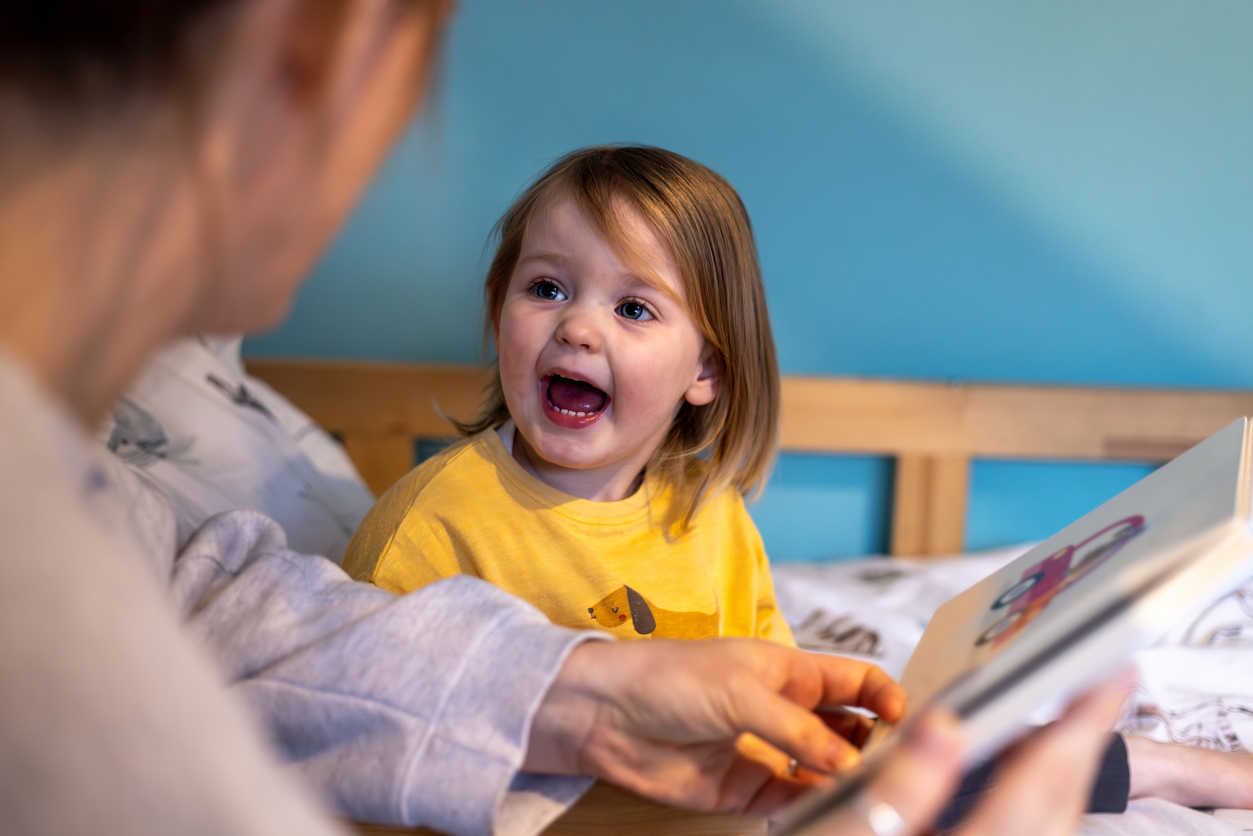
Your toddler draws a squiggle and tells you it says their name. Your preschooler spots an M on a cereal box and shouts, "That’s mine!" These small moments are the very beginning of reading, and it’s natural to wonder when your child should know their name, or whether you should be doing more.
The key to name recognition is everyday exposure. Kids learn their name in print by seeing it again and again in places that matter to them. Four habits can help support their learning: putting their name where they see it every day, pointing to the words as you read, spotting "their" letters out in the world, and letting them build, color, and scribble their name.
Below, we cover when name recognition typically develops and how to help at home.
When Babies Learn Their Name
Long before your child can read their name, they know how it sounds. Recognizing the sound of their name is step one. This article focuses on the next step: recognizing their name in print.
If your baby doesn't respond to their name by 9 months, mention it to your pediatrician. Bring it up at your next well visit, or sooner if you're worried. You can also contact your state's early intervention program directly through cdc.gov/FindEI.
How Name Recognition in Print Develops
Print Awareness vs. Alphabet Knowledge
Two early literacy skills work together when your child learns their name:
-
Print awareness is understanding how print is used and how it works. That includes knowing words (not just pictures) carry meaning, and that we read them left to right.
-
Alphabet knowledge is knowing the letters: their names, their shapes, and later, their sounds.
Your child's name bridges these two skills. It's a word that clearly means something (it's them), and it's made of the letters they're most likely to learn first.
Why Their Name Comes First
Your child hears their name and sees it written more than almost any other word, and it matters to them. Research shows this gives their name a head start, sometimes called the "own-name advantage":
- The first letter stands out. In studies of children from preschool through first grade, kids knew the name of the first letter of their own first name better than other letters, and were better at printing it (Treiman & Broderick, 1998).
- Name letters come early. In a study of children in Head Start, most kids who knew fewer than 10 letters at the start of the year knew letters from their first name, plus the letters A, B, or O (Heilmann et al., 2018).
What’s Normal: When Kids Recognize Their Name in Print
There’s no single age when every child recognizes their name. Some toddlers point out "their" letter early, and others don’t show much interest in letters until preschool. Both are normal.
A helpful benchmark: by age 5, most children can write some of the letters in their name and name some letters when you point to them, according to the CDC’s developmental milestones. These milestones describe what most kids (75% or more) can do by that age, so many children get there sooner and some take a little longer.
At every well visit, you can ask your pediatrician what to expect next and mention anything you’ve noticed. You don’t have to wait for a checkup, though. If your child isn’t meeting milestones, has lost skills they once had, or something just doesn’t feel right, reach out to their doctor and ask about developmental screening.
4 Ways to Help Your Child Recognize Their Name
1. Put Their Name Where They See It Every Day
Your child's day is full of chances to see their name: the bedroom door, their artwork on the wall, their step stool, their cup, their cubby at daycare.
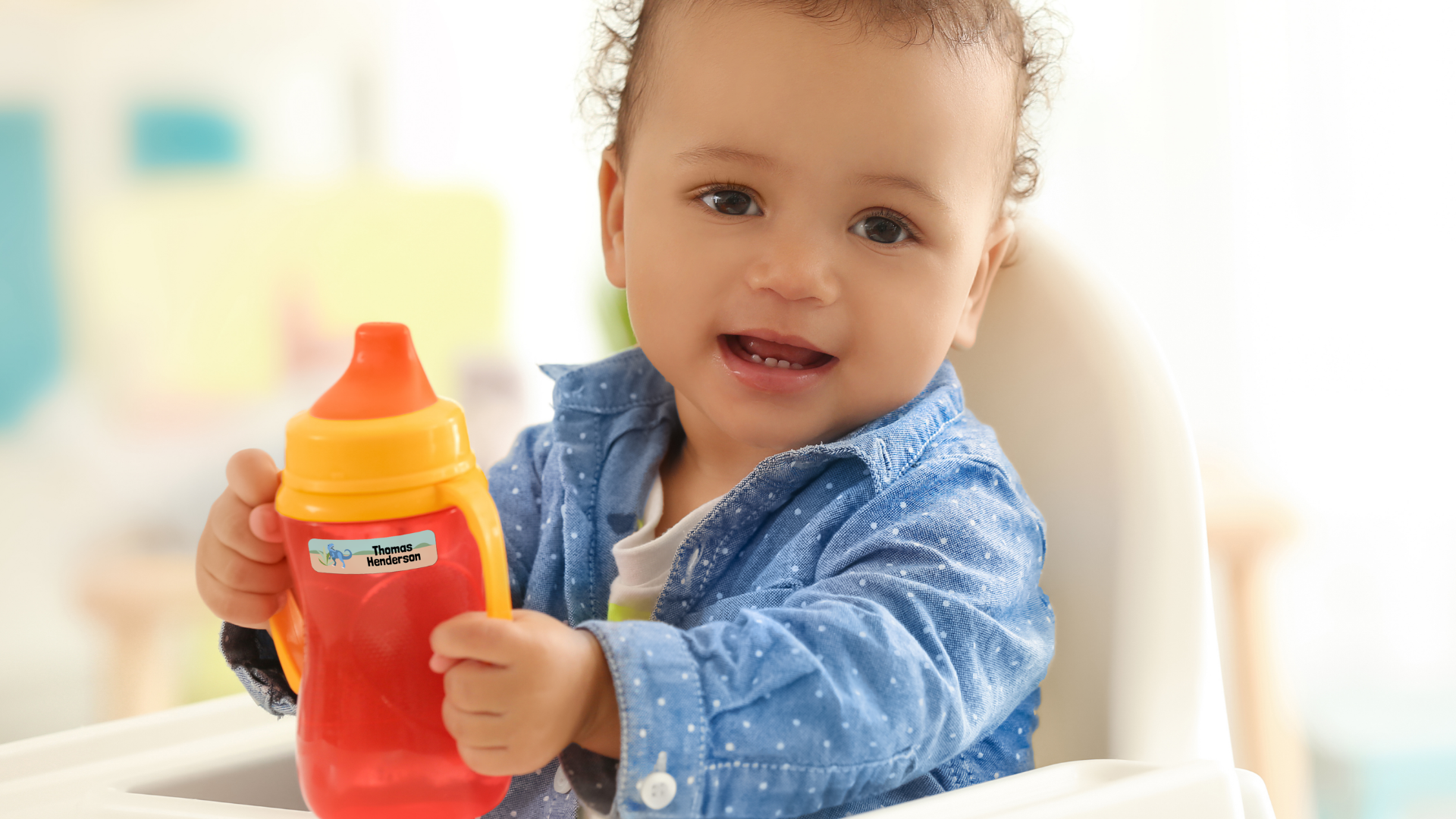
Why it helps: kids learn to recognize words they see again and again. When their name shows up on the things they use every day, that repetition happens naturally as part of their routine.
We love Name Bubbles' personalized name labels (opens Name Bubbles' website in a new tab). They put your child's name on the things they reach for all day, from cups and lunchboxes to shoes and daycare gear, and according to the brand, they're waterproof and safe for the dishwasher, microwave, and laundry.
2. Point to the Words When You Read Together
The American Academy of Pediatrics recommends shared reading beginning at birth and continuing at least through kindergarten. Reading together supports your child’s language, thinking, and early literacy, and it’s good for your relationship, too.
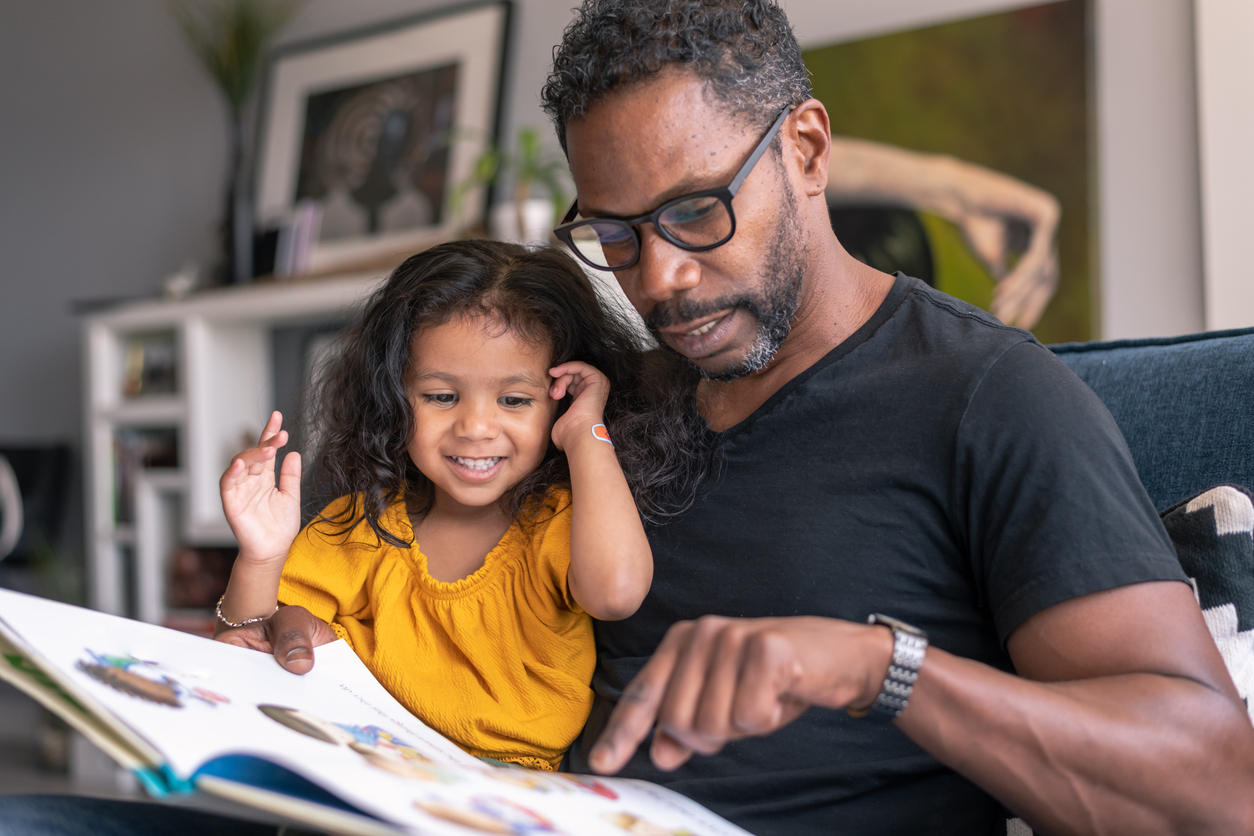
Young kids tend to focus on the pictures, not the words. Running your finger under the words as you read draws their eyes to the print, too, and quietly shows them that we read left to right.
3. Spot "Their" Letters Out in the World
Most kids are naturally drawn to the letters in their own name, and once they know them, they'll see them everywhere. Try things like:

- On a walk: "Look, that STOP sign has an S, just like Sam!"
- At the grocery store: Find their letter on cereal boxes, store signs, or price tags.
- In the car: Look for their letter on license plates and road signs.
- At home: Spot it on the mail, on snack boxes, or on an envelope with their name on it.
4. Build, Color, and Scribble Their Name
Building, coloring, and scribbling turn the letters of their name into something kids can touch and make. A few easy ideas:
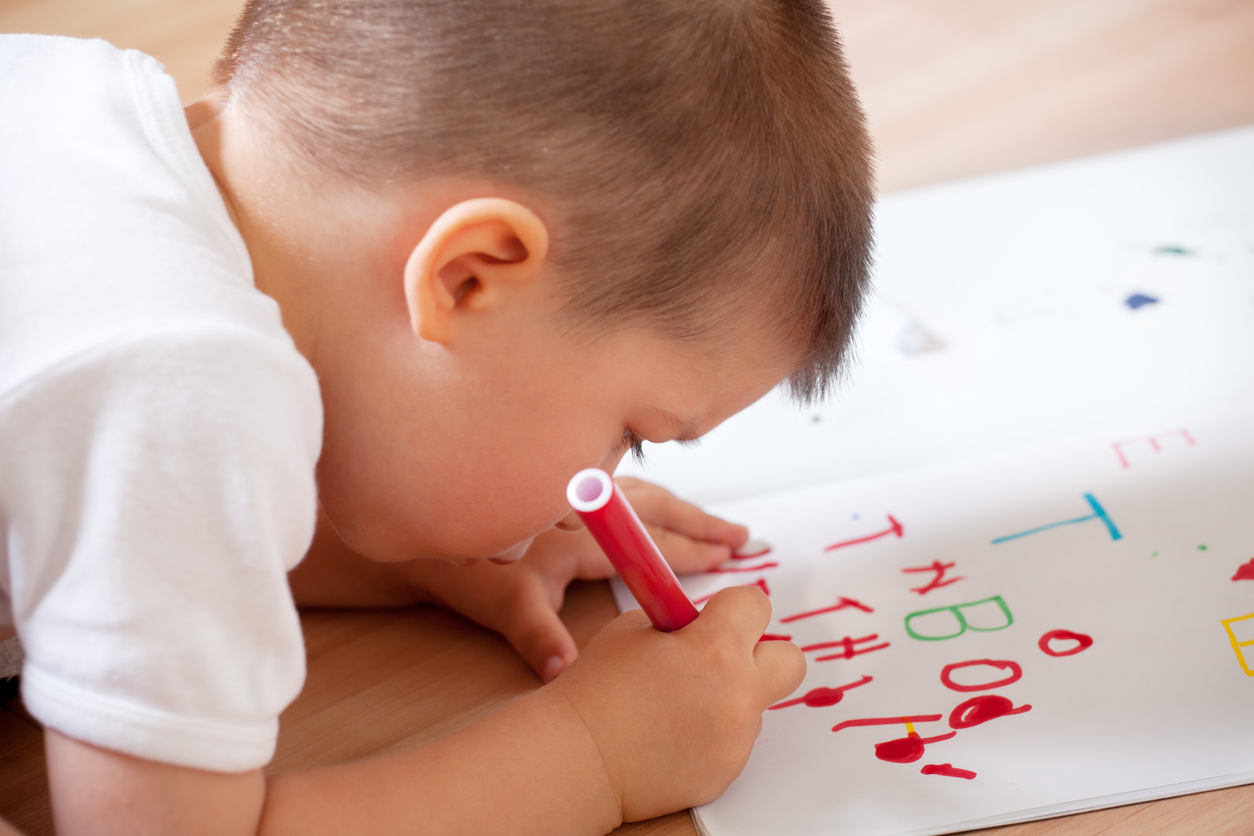
- Paper-plate name puzzle: Write one letter of their name on each paper plate, let them color the letters, then put the plates in order together.
- Name poster: Write their name big in bubble letters and let them color it in.
- Letter collage: Glue stickers, magazine cutouts, or pom-poms onto the letters of their name.
- Sidewalk chalk or bath crayons: You write their name, and they trace it or scribble next to it.