|
|
|
Starting daycare or preschool is a big milestone. But when your child has a food allergy, the thought of someone else managing snacks, lunches, and classroom celebrations can bring a whole new set of worries.
Will their teacher remember which foods to avoid? What happens when there's a substitute? How can you make sure important allergy information doesn't get lost in the shuffle?
The key is creating a plan that everyone caring for your child can follow, even during the busiest parts of the day. That means clear conversations, a written emergency plan, and visible reminders on the items your child uses every day.
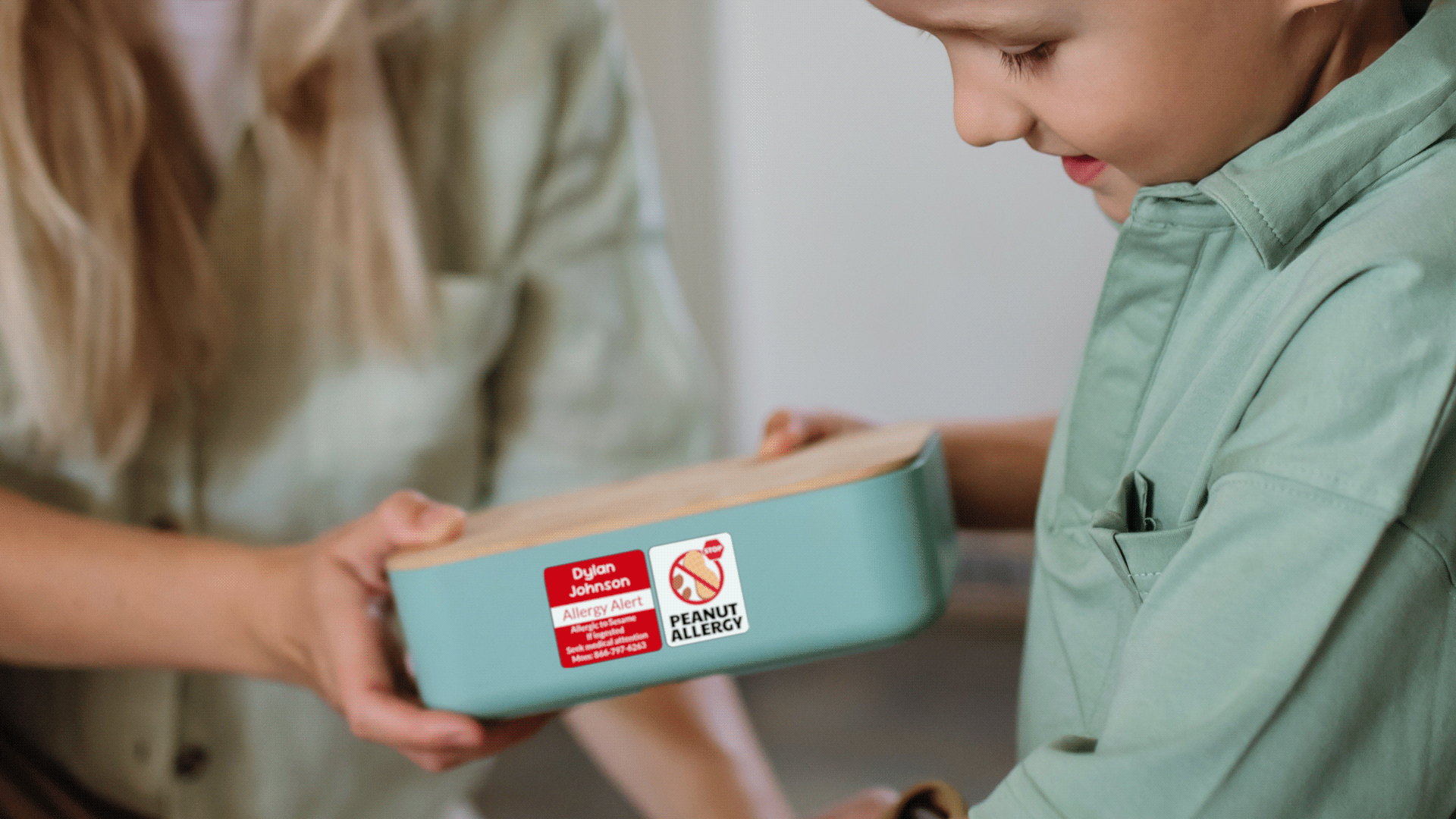
Simple tools like personalized allergy labels can help reinforce those conversations by keeping important allergy information visible on lunchboxes, water bottles, and snack containers.
Here's how to build a daycare or preschool allergy plan that works for your family and your child's caregivers.
|
|
|
|
01 Talk to Your Child's Teachers Before the First Day
|
|
Don’t wait until drop-off to have the allergy conversation. Schedule a designated time with your child’s teacher or daycare director before they start. Also, schedule a time to drop off all labeled medications (including an EpiPen and/or an antihistamine). *Be sure to check the expiration dates of all medications before giving them to the school and schedule reminders for yourself if you need to remember to replace them due to expiration.
If there is a school nurse on staff, also schedule a meeting with them to discuss your child’s allergy and safety plan.
You’ll want to discuss more than which foods your child needs to avoid. Think about all the people, routines, and situations your child might encounter, including birthdays, holiday parties, and shared treats that aren’t part of the regular menu.
|
Important questions to ask include:
|
-
Will the daycare provide allergy-safe meals and snacks, or will you be expected to send food from home?
-
Who checks ingredient labels before giving food to your child?
-
How are utensils, prep surfaces, and tables cleaned to prevent cross-contact?
-
What steps are taken to prevent children from sharing food?
-
How are birthdays, holidays, and special treats handled? Can you send preapproved snacks for unexpected celebrations?
-
How will teachers let you know about changes to the classroom menu?
-
How are food allergies communicated to substitute teachers, other caregivers, and staff?
-
Do they consider food allergies when gathering materials for lesson plans, sensory table activities, and making doughs and clay?
-
Where will my child’s emergency medication be stored, and who is trained to give it?
-
What happens if my child has an allergic reaction?
|
|
Make sure everyone understands that a familiar-looking snack isn’t necessarily safe. Ingredient lists can change, so the AAP advises checking labels every time (AAP). If there are foods or snacks being distributed with proper packaging or labels, these should not be given to children with food allergies due to risk of exposure.
|
|
Tinyhood Tip
|
|
Ask your child’s teacher to walk you through a typical lunch or snack time. Seeing where food is prepared, served, and cleaned up can help you spot questions you might not have thought to ask.
|
|
|
|
02 Create a Written Food Allergy Action Plan
|
|
Verbal conversations are important, but caregivers also need clear instructions they can reference when you're not there. If your child has a diagnosed food allergy, the American Academy of Pediatrics (AAP) recommends creating a written plan whenever your child is away from you (AAP). You can work with their healthcare provider to create an Allergy and Anaphylaxis Emergency Plan, which is meant to be given to child care programs and any place where others care for your child.
This document should identify your child's allergens, explain how to recognize a reaction, and outline exactly what caregivers should do in an emergency.
|
|
The plan should include:
Allergy & Anaphylaxis Emergency Plan
|
-
Your child's name and specific food allergies
-
Possible symptoms of an allergic reaction
-
Instructions for administering prescribed emergency medication
-
Where emergency medication is kept
-
Parent or guardian contact information
-
Additional emergency contacts
|
|
Make sure the daycare/school has a current copy and that everyone responsible for your child's care knows where to find it, including substitute teachers and/or classroom helpers. Whenever your child's healthcare provider updates the plan, bring the new copy and ask the daycare to remove the old one.
|
|
Tinyhood Tip
|
|
This care plan can be shared not just with a daycare or preschool but also with babysitters, relatives, or anyone who cares for your child so they are equipped in the case of an emergency.
|
|
|
|
03 Make Sure Caregivers Know How to Spot and Treat a Reaction
|
|
A written plan only helps if caregivers can recognize a reaction and act fast.
|
|
Know the signs in young children. Toddlers and preschoolers often can’t tell an adult something is wrong. FARE notes that young children may put their hands in their mouth, pull or scratch at their tongue, drool, slur their words, or have a sudden change in voice or mood. Children who are talking may describe it in their own words. They might say a food is “too spicy” or that their tongue feels hot or funny. Share these signs with teachers, along with any symptoms your child has shown before.
|
|
|
|
What they might do
|
|
Put their hands in their mouth
Pull or scratch at their tongue
Drool
Slur their words
Sudden change in voice or mood
|
|
|
What they might say
|
|
"Too spicy"
"My tongue feels hot"
"My tongue feels funny"
|
|
|
|
Know when and how to use epinephrine. For a severe reaction, the emergency medicine in your child’s plan is usually epinephrine. The AAP says to give it right away, then call 911 and go to the emergency department. Caregivers should follow the plan rather than wait to see if symptoms get worse. If your child’s plan calls for epinephrine, antihistamines should never be used in its place.
|
|
First
Give epinephrine right away
|
|
Then
Call 911
|
|
Then
Go to the emergency department
|
|
Tinyhood Tip
|
|
Offer to show your child’s teachers how your child’s specific device works, since auto-injectors and nasal sprays differ. Most EpiPens come with a trainer pen that can be used for practice.
|
|
|
|
04 Make Your Child's Allergy Information Easy to Spot
|
|
Even with a great written plan, daycare and preschool can get busy. Between multiple children, different caregivers, and a collection of nearly identical lunchboxes, it's helpful to have important information visible right where it's needed.
One easy solution is to label the everyday items your child brings to daycare with their name and allergy information.
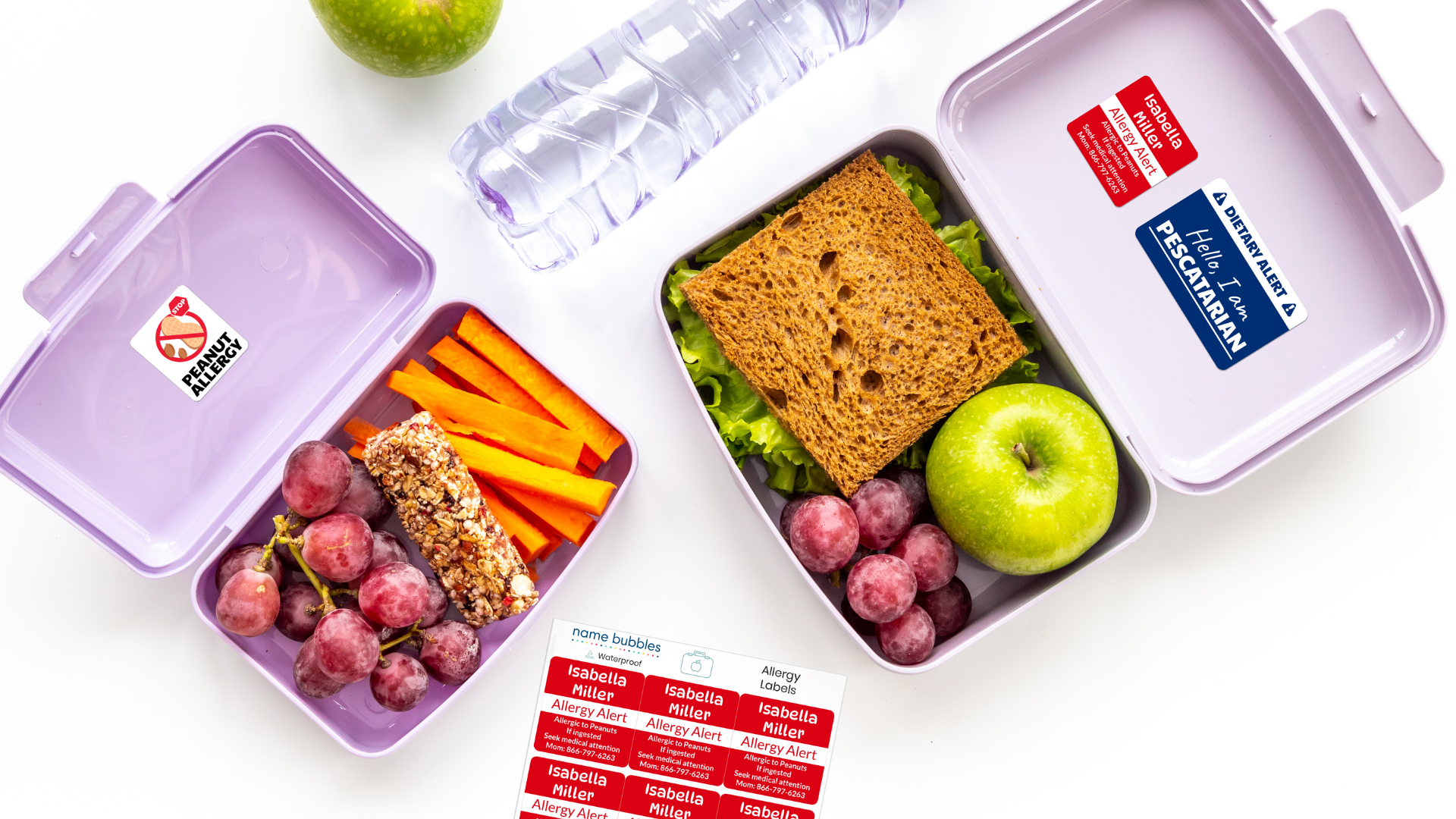
We love Name Bubbles' customizable allergy labels. They let parents add specific information, like your child's name, allergies, and emergency contact information, to your child’s items like lunchboxes, water bottles, and snack containers. These labels provide a visual reminder for caregivers to check a child's food restrictions before serving or sharing food.
Plus, they're also waterproof, dishwasher-safe for lunch containers and water bottles, and microwave-safe for food containers, which is particularly useful for items that get washed every day.
|
 |
What should you label?
|
|
Start with the items that are most likely to be used around food:
|
-
Lunchboxes
Place an allergy alert where a caregiver will see it before opening the lunchbox.
-
Snack containers
Label individual containers, not just the bag that holds them.
-
Water bottles and sippy cups
Make them easy to identify and less likely to get mixed up with another child's.
-
Backpacks
Consider adding a visible allergy reminder where appropriate, following your daycare's policies.
-
Emergency medication bags
Clearly identify your child's medication kit according to the daycare or preschool's medication procedures.
|
What should an allergy label say?
|
|
Keep the message short, specific, and easy to understand. For example:
|
|
EMMA — PEANUT ALLERGY
No peanut products
|
|
Example label: name, allergen, and one clear instruction
|
|
A label might also include a short instruction such as "Do Not Share Food," depending on your child's needs. For children with multiple allergies, prioritize clarity and direct caregivers to the full written allergy plan rather than trying to squeeze complicated medical information onto a small sticker.
Name Bubbles also offers pre-printed allergy alert stickers alongside its customizable labels.
|
|
Name Bubbles also offers pre-printed allergy alert stickers alongside its customizable labels.
|
|
Remember, labels are an extra layer of communication, not a replacement for trained caregivers, a written allergy plan, or emergency medication. Their job is to make important information more noticeable during everyday routines.
|
|
|
|
|
Before day one
|
Your Daycare Food Allergy Preparation Checklist
|
|
Before your child's first day, make sure you've covered these essentials:
|
-
Discussed food allergies with the daycare director and primary teacher. Met with the school nurse if there is one.
-
Shared a healthcare-provider-approved emergency care plan.
-
Confirmed how emergency medications are stored and accessed.
-
Identified who is trained to respond to an allergic reaction.
-
Established a plan for meals, snacks, and celebrations.
-
Added visible allergy alerts to your child's lunchbox, water bottle, and snack containers.
-
Confirmed how substitute teachers and other caregivers receive allergy information.
|
|
A little preparation can make a meaningful difference in how confidently you and your child's caregivers approach the day.
|
|
|
|
 |
|
Sponsored | In partnership with Name Bubbles
|
Allergy Labels for Your Child's Lunchbox, Water Bottle, and Snacks
|
|
When your child has a food allergy, the little details can make a big difference.
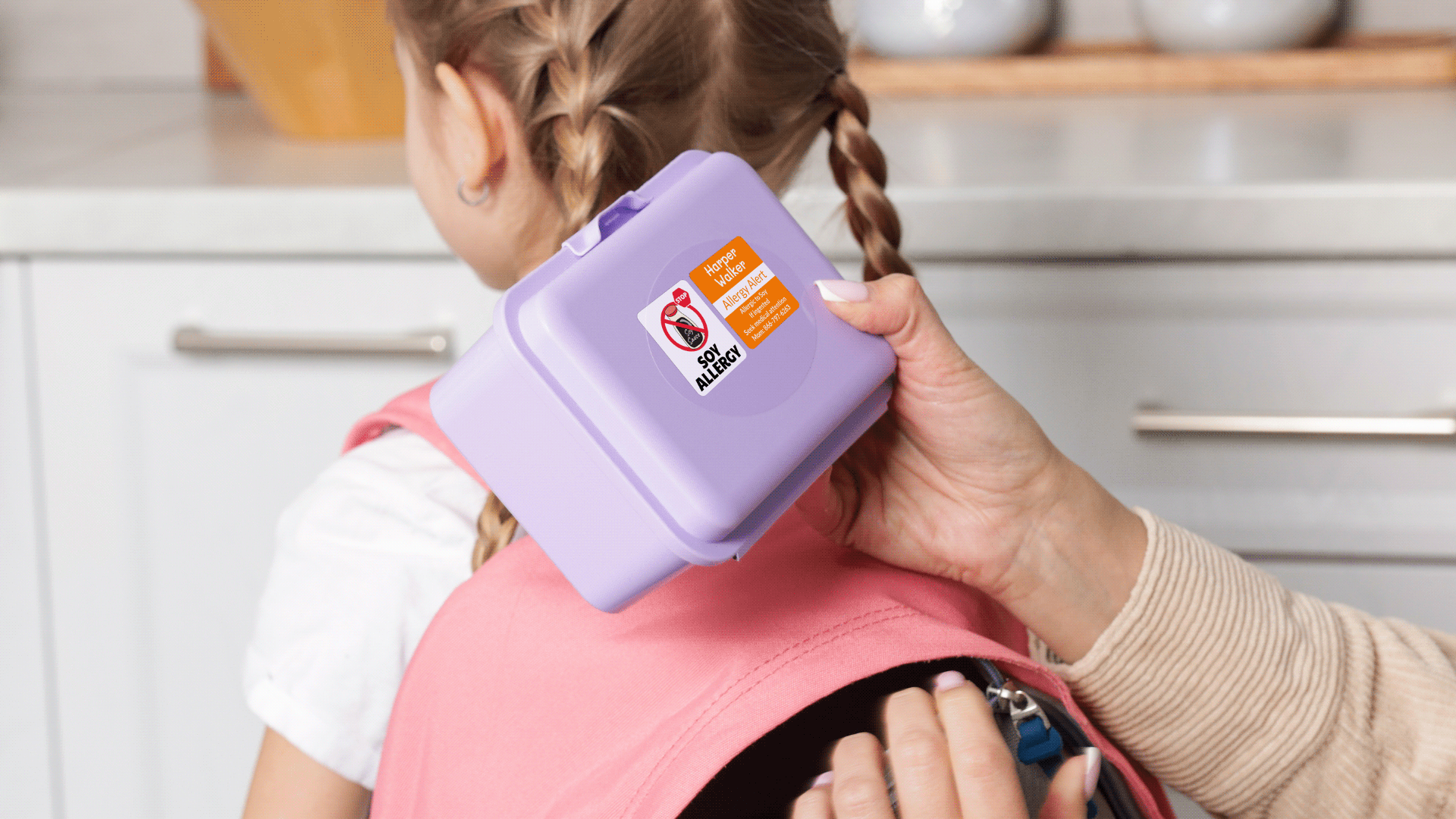
Help keep your child safe with personalized Allergy Alert Stickers from Name Bubbles. Designed to clearly communicate important allergy information, these waterproof stickers help alert teachers, caregivers, family, and friends wherever your child goes.
Add allergy stickers to everyday essentials like lunchboxes, backpacks, water bottles, and snack containers. Made with premium vinyl and non-toxic ink, our durable labels are waterproof, dishwasher-safe, microwave-safe, and freezer-safe to keep up with busy days at school, daycare, and beyond.
Available for several common food allergies, their Allergy Alert Stickers make it easier to share important information and provide parents with added peace of mind.
|
| Explore Name Bubbles Allergy Labels |
|
|
|
Offer terms: 15% off your label order. Discounts cannot be combined with other offers on NameBubbles.com. Limited to one use per customer. Expires 12/31/27. Name Bubbles reserves the right to modify, suspend, or deactivate this offer at any time, including if the discount code is shared or distributed beyond its intended audience.
This article is for informational purposes and isn't a substitute for advice from your child's healthcare provider. This article was made in partnership with Name Bubbles, but we only recommends products we truly love.
|
|
|
|
|